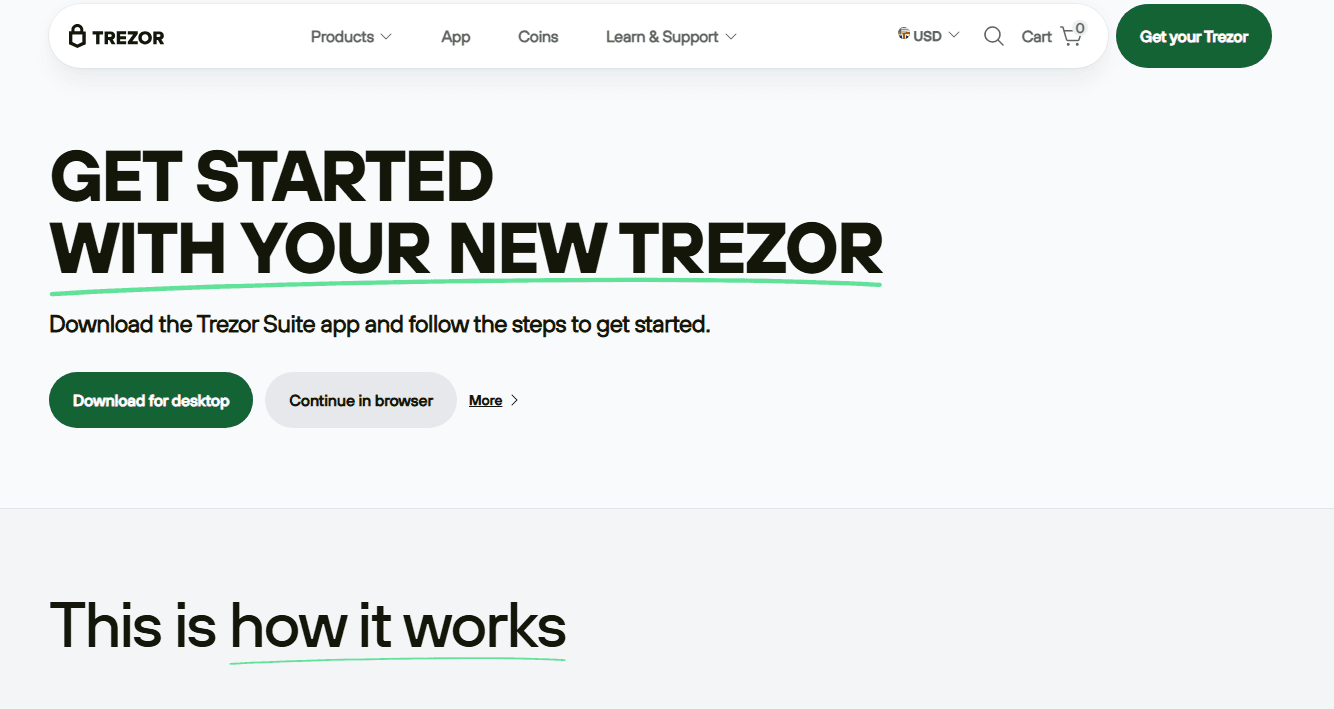
Trezor Login: A Complete 1200-Word Guide to Accessing and Securing Your Trezor Wallet
Cryptocurrencies offer freedom, flexibility, and digital ownership—but they also demand strong security. That’s why hardware wallets like Trezor are trusted worldwide. Unlike software wallets or exchanges, which store private keys online, Trezor keeps those keys offline, dramatically reducing the risks of hacking or unauthorized access.
If you’re new to Trezor or returning to the device after some time, you might wonder how the Trezor login process works. It doesn’t follow the typical login method involving usernames and passwords. Instead, Trezor uses a secure hardware-based authentication system designed to ensure only the device owner can access and manage funds.
This comprehensive guide explains exactly how Trezor login works, how to use Trezor Suite properly, how to troubleshoot login issues, and how to protect your assets with best-practice security.
Introduction: Understanding What “Trezor Login” Really Means
When people talk about “logging in” to Trezor, they often imagine a website with a username and password. But Trezor does not rely on cloud accounts or web-based credentials. Instead, your digital identity and access rights are built directly into your hardware wallet.
A Trezor login consists of:
Connecting your Trezor device
Entering your PIN on the secure, randomized keypad
Unlocking your wallet through Trezor Suite
Confirming transactions or settings on the physical device
Your private keys never leave the device, and your login credentials are never stored on any server. This architecture makes Trezor one of the most secure options for managing crypto.
Components You Need for a Trezor Login
Before logging in, ensure you have the following essentials:
✔ Trezor Hardware Wallet
Such as:
Trezor Model One
Trezor Model T
These devices store your private keys offline.
✔ Trezor Suite Application
Trezor Suite is the official interface for managing your wallet, sending and receiving crypto, updating firmware, and customizing security settings.
✔ Your PIN Code
Your PIN unlocks your device. Without it, no one can log in or access your funds.
✔ USB Cable
(required for both Trezor models)
✔ Recovery Seed (Not for Login)
This 12-, 18-, or 24-word phrase is used ONLY for recovery—not for logging in.
If your device is lost or reset, you can restore everything using this phrase.
Step-by-Step: How to Log In to Trezor
Here’s a detailed walkthrough of the Trezor login process:
Step 1: Connect Your Trezor Device
Plug your Trezor hardware wallet into your computer using the USB cable.
The device will power on automatically.
Step 2: Open Trezor Suite
Launch the Trezor Suite application.
If you haven’t installed it yet, download it from the official Trezor website only.
Trezor Suite will detect your device and initiate the login procedure.
Step 3: Enter Your PIN
You will be asked to enter your PIN code using the secure PIN matrix.
This PIN is not entered directly into your device but into Trezor Suite, with the number positions randomized. This prevents keyloggers from capturing the PIN.
PIN tips:
Use a strong, unique PIN
Never share it
Do not enter your PIN on any website
Once entered correctly, your device will unlock.
Step 4: Access Your Dashboard
When authentication is complete, your Trezor Suite dashboard will appear.
You’ll be able to:
View your portfolio
Manage accounts
Send and receive crypto
Enable security features
Install or update firmware
Connect to exchanges and networks
At this point, you are fully logged in and ready to manage your crypto securely.
Trezor Login vs. Trezor Recovery: Understanding the Difference
Many new users confuse the login process with wallet recovery. They are very different:
✔ Trezor Login
Requires your hardware device + PIN
Used for everyday access
No recovery seed required
✔ Trezor Recovery
Required only when setting up a new device or restoring a lost/reset wallet
Requires your seed phrase
Restores all your accounts
Trezor will never ask for your seed phrase during login, updates, or transactions.
If any website or app asks for the seed phrase, it’s a scam.
Common Trezor Login Issues and Their Solutions
Occasionally, you might experience problems accessing your Trezor. Here are the most common issues and how to fix them:
Issue 1: Trezor Device Not Detected by Trezor Suite
Solutions:
Try another USB cable or port
Restart Trezor Suite
Make sure the device is not locked
Update Trezor Suite to the latest version
Restart your computer
Check for outdated drivers on Windows
Issue 2: Incorrect PIN or Forgotten PIN
If you enter the wrong PIN too many times, the device will reset.
Solutions:
Use your recovery seed to restore your wallet
Create a new PIN during the restoration process
Issue 3: Trezor Suite Keeps Disconnecting
This can happen due to USB conflicts or browser extensions.
Solutions:
Remove conflicting USB devices
Disable unused browser extensions
Use another USB port
Try a different computer
Issue 4: Firmware Error During Login
If Trezor Suite detects outdated firmware, it may require an update before logging in.
Solutions:
Follow the step-by-step update instructions
Do NOT disconnect the device during firmware installation
Issue 5: Passphrase Login Issues
If you use a passphrase for extra security:
Solutions:
Ensure the passphrase is typed exactly
Remember that uppercase/lowercase differences matter
Understand that every unique passphrase creates a different wallet
Using Trezor Login with Passphrase Protection
Advanced users can add an extra layer of security by enabling a passphrase.
This is an additional word or phrase required during login that creates a hidden wallet.
Benefits of Passphrase Login
Protects your funds even if someone obtains your seed phrase
Allows you to maintain multiple hidden accounts
Creates an extra layer of security beyond the PIN
However, if you forget your passphrase, your hidden wallet cannot be recovered—even with your recovery seed.
Use this option only if you are confident in managing advanced security.
Trezor Login on Desktop vs. Web
Trezor provides two platforms for access:
Trezor Suite Desktop
Best for users who prefer a secure, full-feature environment.
Advantages include:
No browser vulnerabilities
Faster portfolio management
Built-in security checks
Offline installation packages
Detailed charts and analytics
Trezor Suite Web (browser interface)
Useful when:
You need to log in from different computers
You prefer browser usage
You want quick access without installing software
However, desktop Suite is generally safer because browsers are more vulnerable to phishing and malware.
Tips for Faster and Safer Trezor Login Sessions
To ensure smooth, secure access every time, consider these best practices:
✔ Keep firmware updated
Outdated software can cause login issues or security gaps.
✔ Use trusted computers
Avoid logging in on public or shared devices.
✔ Always verify actions on the device screen
The device is the final authority—malware can’t alter the screen on your Trezor device.
✔ Regularly backup your recovery seed
Use fireproof metal plates or secure offline storage.
✔ Never install unofficial Trezor applications
Only use Trezor Suite from the official website.
✔ Turn off unnecessary browser extensions
Some can interfere with USB communication.
Why Trezor Login Is One of the Safest Authentication Methods in Crypto
The Trezor login process protects your crypto because:
Private keys never touch the internet
PIN entry is secured with randomized layouts
Physical confirmation is required for every action
Firmware is cryptographically verified
Trezor Suite protects against phishing attempts
No centralized account exists to hack
This combination of offline key storage and hardware confirmation creates a security model that is extremely difficult to compromise.
Final Thoughts
Logging into your Trezor wallet is different from accessing typical online accounts—and that difference is what makes it so secure. By using a physical device, a PIN, optional passphrase protection, and the Trezor Suite interface, you gain complete control over your assets.
Understanding how Trezor login works and following best practices gives you confidence and peace of mind. Whether you’re holding Bitcoin, Ethereum, stablecoins, or other crypto assets, Trezor ensures that your funds remain yours—and yours alone.